
The Impact of Intrusive Ads and Autoplay Videos on the Web Browsing Experience
In the early days of the internet, browsing was a seamless and enjoyable experience. Websites were simple, lightweight, and designed primarily to provide information. However, over time, the landscape of web browsing has dramatically changed. The proliferation of intrusive advertisements and autoplay videos has significantly altered the user experience, often to the detriment of the very audience they seek to engage.Much of India’s landscape is dotted with villages. A big chunk of India’s population, almost _ percent, live and work in the villages. This figure corresponds with the fact that almost _ percent of the Indian population is engaged in agriculture.
The Rise of Intrusive Advertisements
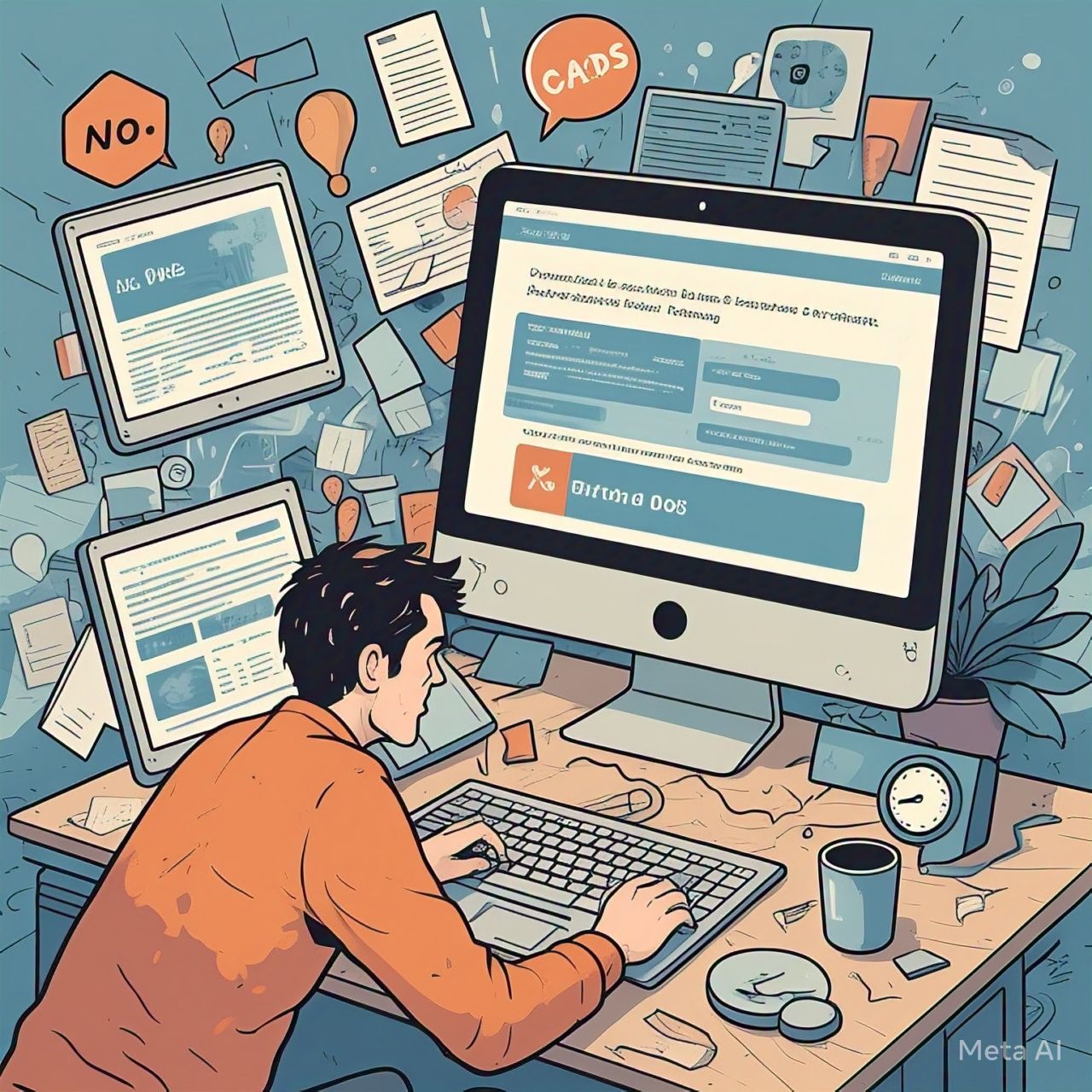
Intrusive advertisements have become a major concern for users across the web. Pop-up ads, banner ads, and interstitial ads frequently disrupt the browsing experience by covering content and forcing users to take unwanted actions. These ads not only slow down page loading times but also create frustration and reduce productivity. Users often find themselves battling multiple ad windows, accidental clicks, and irrelevant promotions that hinder their ability to access desired information quickly.
Additionally, many websites employ aggressive tracking mechanisms to serve personalized ads based on user behavior. While targeted advertising can sometimes be beneficial, excessive tracking raises privacy concerns and contributes to the feeling of being constantly monitored. This invasion of privacy has led many users to adopt ad-blocking tools, which in turn impacts the revenue streams of content creators and website owners.
Autoplay Videos: An Unwelcome Distraction
Autoplay videos represent another disruptive element of modern web browsing. Whether embedded within articles, appearing as sidebars, or popping up unexpectedly, these videos often start without user consent, consuming bandwidth and distracting from the primary content. In some cases, autoplay videos include audio, startling users and creating an unprofessional experience in work or public settings.
Beyond their annoyance factor, autoplay videos contribute to higher data consumption, which can be particularly problematic for users with limited data plans. They also slow down the browsing experience by increasing page load times and utilizing system resources unnecessarily. Furthermore, autoplay content can be a significant accessibility barrier for individuals with disabilities who rely on screen readers or keyboard navigation.
Consequences for Website Owners and Advertisers
While advertisements and video content are crucial for monetizing online content, the overuse of intrusive tactics can have long-term negative consequences for website owners and advertisers. Studies have shown that users are more likely to abandon sites that bombard them with excessive ads and autoplay videos. This leads to higher bounce rates, lower engagement, and ultimately reduced revenue.
Websites that prioritize user experience by adopting non-intrusive advertising strategies, such as native ads, well-placed banners, and skippable video content, tend to retain their audiences better. Additionally, search engines like Google have introduced measures to penalize sites with poor ad experiences, further incentivizing website owners to reconsider their approach.
Balancing Monetization and User Experience
Finding the right balance between monetization and a positive user experience is essential for the future of web browsing. Advertisers and content creators must focus on delivering relevant, high-quality content in a non-disruptive manner. Implementing best practices such as limiting ad frequency, allowing users to control autoplay settings, and providing clear opt-out options can help foster a more user-friendly browsing environment.
Moreover, technological advancements such as artificial intelligence and machine learning offer opportunities to enhance ad targeting without compromising user privacy. Ethical data collection practices and adherence to regulations like GDPR (General Data Protection Regulation) can help build trust between users and online platforms.
Conclusion
Intrusive advertisements and autoplay videos have undeniably transformed the web browsing experience, often creating frustration and hindering productivity. While monetization is essential for sustaining online content, it must not come at the expense of user satisfaction. By embracing user-friendly advertising models and respecting privacy concerns, website owners and advertisers can create a more enjoyable and efficient browsing experience for everyone.